
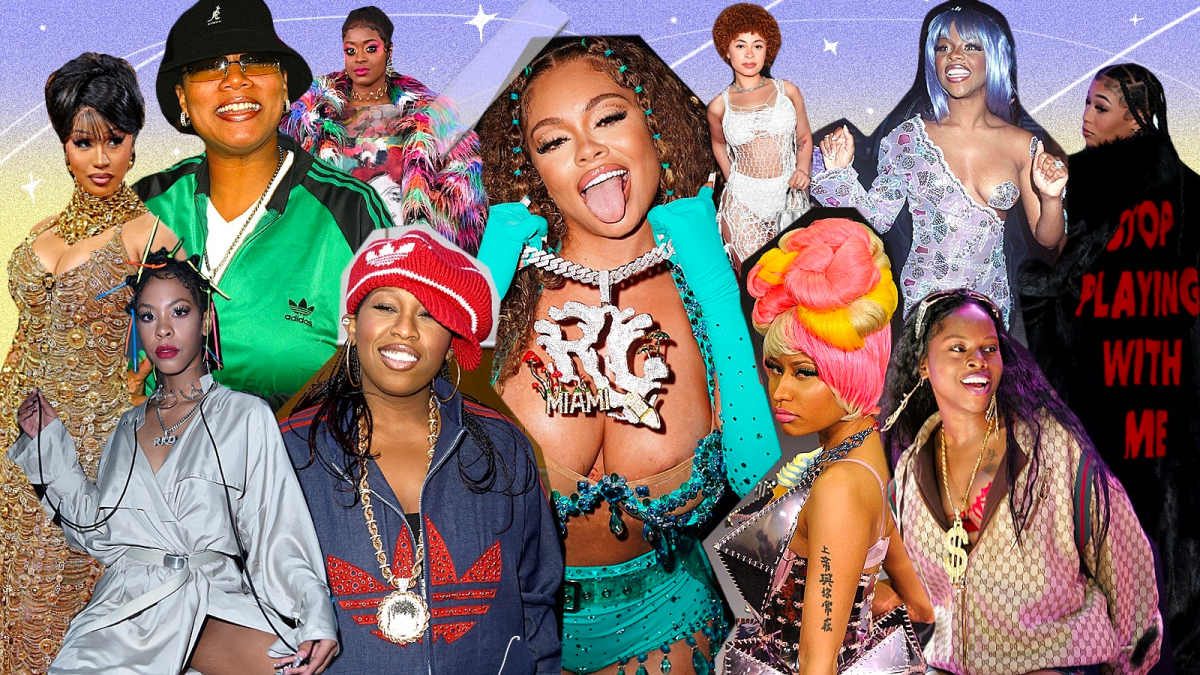
Rapper Outfit Merchandise: Singers Turn Streetwear Into Hits
Street culture and music have always walked hand in hand, but in the last decade the connection has hit a new high. When a rapper drops a fresh track, fans aren’t just humming the chorus—they’re also hunting for the exact hoodie, snapback, or pair of joggers the artist was spotted in. That synergy has turned personal style into a lucrative business, and the rise of Rapper Outfit Merchandise has reshaped both the fashion and music industries. If you’re curious about how singers are turning streetwear into chart‑topping hits, keep reading.
From Underground to Mainstream: The Evolution of Rapper Outfit Merchandise
Hip‑hop started in the Bronx with DIY tape decks and baggy jeans, but the vibe quickly grew into a visual statement. Early pioneers like Run‑DMC made Adidas a staple, proving that a brand could become as iconic as a hit single. Today, that legacy lives on with artists launching entire clothing lines that echo their lyrical themes.
Modern rappers seize social media to showcase their daily looks. A single Instagram post can generate thousands of requests for a specific piece, prompting the artist’s team to release limited‑edition drops. The speed of this cycle fuels hype and scarcity, making each release feel like a new track on the charts.
Unlike traditional fashion houses, rapper outfit merchandise often reflects the raw, unfiltered energy of the streets. The fabrics are chosen for comfort, the graphics for impact, and the silhouettes for authenticity. This approach keeps the products relatable and instantly recognizable.
How Artists Build Their Own Streetwear Empires
Launching a clothing line may sound simple, but successful rapper outfit merchandise requires strategic partnerships. Many artists collaborate with established manufacturers to ensure quality while retaining creative control.
Revenue models range from profit‑sharing agreements with retailers to fully owned e‑commerce platforms. By cutting out middlemen, artists can keep a larger slice of the pie and stay connected directly with their fan base.
Brand storytelling plays a crucial role. A line named after a hometown nickname or a lyric from a breakout single offers a narrative that resonates. Fans feel they are buying a piece of the artist’s journey, not just a shirt.
Limited releases—often timed with album drops or tour announcements—create urgency. When a line sells out within minutes, it builds a mythos around both the music and the merchandise, reinforcing the artist’s cultural relevance.
Impact on Fans: Wearing the Beat
Fans wearing rapper outfit merchandise become walking billboards for the music. Each outfit signals allegiance, turning personal style into a communal experience.
Streetwear also becomes a conversation starter. A fan sporting a bold graphic tee can spark discussions about the lyrics that inspired it, deepening the connection between the audience and the artist.
Beyond fandom, the trend influences broader fashion markets. Retail giants now mimic the drop model, releasing capsule collections that mirror the hype cycles of hip‑hop releases. This cross‑pollination blurs the line between mainstream and underground fashion.
Importantly, the merchandise provides a revenue stream that isn’t tied to streaming numbers. In an era where digital royalties fluctuate, a well‑executed clothing line offers financial stability and creative freedom for artists.
Future Trends: Where Rapper Outfit Merchandise Is Heading
Technology is set to reshape the landscape. Augmented reality tags embedded in fabrics could let fans unlock exclusive video content, linking the physical garment to the digital world.
Sustainability is another emerging focus. Eco‑friendly materials and transparent supply chains appeal to socially conscious fans, adding another layer of brand loyalty.
Collaborations will continue to evolve. Expect more cross‑genre partnerships, where rappers team up with athletes, designers, or gaming brands to create hybrid collections that push both fashion and music forward.
In the end, rapper outfit merchandise isn’t just about profit—it’s an extension of artistic expression. As long as artists keep turning their personal style into cultural hits, the streets will remain the most vibrant runway.